How to Know If Your Child Is Ready for Play School
How to Know If Your Child Is Ready for Play School
Key Takeaways
- Most children start play school between 5 and 3 years of age.
- Age alone does not decide readiness.
- Emotional comfort matters more than milestones.
- Interest in people and play is a strong readiness sign.
- Simple routines help children adjust faster.
- Understanding the signs child is ready for play school helps parents make confident decisions.
Many parents wonder if their child is truly ready for play school or if it is too early. This concern is common. Starting at the wrong time can cause stress for both the child and the parent. Waiting too long can limit early social exposure.
This is why parents often look for clear signs child is ready for play school instead of relying only on age. A child ready for play school feels safe exploring new spaces, meeting people, and following simple routines. Choosing the right early environment also plays a role in how smoothly children adapt, which is why parents often consider how a right play school shapes your child’s future.
What Does “Ready for Play School” Mean?
A child ready for play school does not need to be fully independent. Readiness means the child can stay away from parents for short periods, respond to gentle guidance, and show curiosity about people or surroundings.
Parents often misunderstand readiness as academic ability. In reality, emotional comfort and routine awareness are stronger signs child is ready for play school. A child-friendly learning approach and a simple early years curriculum help children settle without pressure.
What Is the Right Age for Play School?
In India, the typical age for play school is between 18 months and 3 years.
- 18 months to 2 years
Children usually join play groups. The focus is comfort, care, and basic social exposure. - 2 to 3 years
This is the most common age when parents start noticing clear signs child is ready for play school, such as better routine response and social curiosity. - After 3 years
Children often move toward nursery or preparation for structured programs like LKG.
Age guides the decision. Behaviour confirms readiness.
Signs Your Child Is Ready for Play School
This section focuses on the most reliable signs child is ready for play school, observed in daily behaviour rather than test-based milestones.
Emotional Readiness
A child shows emotional readiness when short separation does not lead to prolonged distress. Some initial crying is normal. What matters is how quickly the child settles.
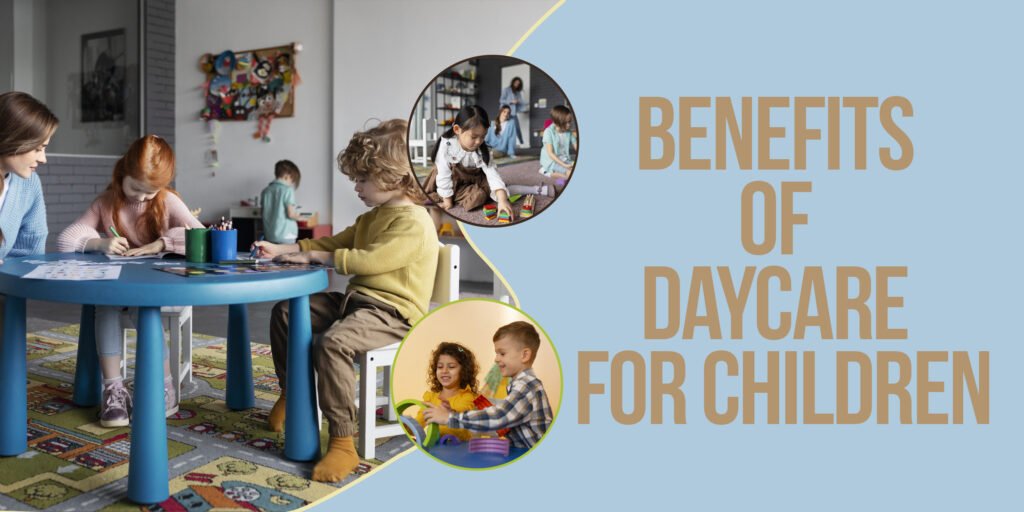
Children who recover from small upsets with reassurance usually adjust better. Environments that support emotional comfort, similar to those discussed in the benefits of daycare for children, help children feel secure during this transition.
Social Readiness
Social readiness does not mean active group play. Curiosity is enough. Watching other children, smiling, or joining play briefly are positive signs child is ready for play school.
When children wait for their turn during play or comfort a friend who is upset, they begin to understand emotions beyond their own. These moments show growing social awareness.
Routine Awareness
Simple habits also matter. Children who respond to basic instructions, enjoy predictable routines, or take part in group activities often settle faster.
These everyday behaviours are practical signs child is ready for play school, even if the child still needs support.
When Age Is Right, but the Child Is Not Ready
Sometimes children fall within the right age range but do not show enough readiness. This can happen when separation causes prolonged distress, social interaction is consistently avoided, or daily routines cause anxiety.
In such cases, waiting a few months helps. Readiness improves with emotional maturity and reassurance.
Play School vs Daycare for Readiness
Both daycare and play school support early development. Daycare focuses on care and comfort. Play schools add structure, group routines, and guided interaction.
For children showing early signs child is ready for play school, a structured play school or a balanced day school environment often supports smoother adjustment.
How Play School Prepares Children for the Next Stage
Play school helps children get used to group routines, listening, and shared spaces. These experiences build confidence and social comfort.
This foundation supports smoother transitions into structured learning, as explained in how an LKG program prepares children for school.
Montessori or Play School for Readiness?
Both approaches support early learning in different ways. Montessori focuses more on independence and individual tasks. Play schools focus more on group interaction and routine adjustment.
Parents can choose what suits their child best. For children who show independent exploration as one of the signs child is ready for play school, Montessori learning may also support readiness.
How Parents Can Support Play School Readiness at Home
Parents can support readiness through simple actions. Talk positively about school. Keep routines predictable. Encourage small independent tasks.
These steps help reinforce the signs child is ready for play school without pressure.
FAQs – How to Know If Your Child Is Ready for Play School
What is the right age to start play school?
Most children start play school between 18 months and 3 years. However, age alone does not decide readiness. Emotional comfort, curiosity, and ability to follow simple routines matter more than the number of months.
How do I know if my child is emotionally ready for play school?
A child is emotionally ready if they can separate from parents for short periods, even if there is brief crying, and settle with reassurance. Quick recovery from small upsets is a strong sign of readiness.
Is it normal if my child cries on the first few days of play school?
Yes. Initial crying is completely normal. What matters is whether the child gradually settles, engages in play, and feels safe in the new environment over time.
Does my child need to talk before joining play school?
No. Speaking clearly is not required. Many children develop language skills after joining play school through interaction, songs, and play-based activities.
What social skills should my child have before play school?
Your child does not need to actively play with others. Curiosity, watching other children, smiling, or joining play briefly are enough signs that social readiness is developing.
What if my child is the right age but not ready for play school?
That’s okay. Some children need more time. If separation causes prolonged distress or routines create anxiety, waiting a few months can help. Readiness improves naturally with emotional maturity.
Is play school necessary, or can daycare be enough?
Daycare focuses mainly on care and comfort, while play school introduces simple structure, routines, and guided interaction. Children showing readiness often benefit from a play school environment.
How can I prepare my child for play school at home?
Parents can help by:
- Talking positively about school
- Maintaining predictable routines
- Encouraging small independent tasks
These steps support readiness without pressure.
Should I choose Montessori or a regular play school?
Both are suitable. Montessori supports independence and individual exploration, while play schools focus more on group routines and social comfort. The best choice depends on your child’s personality.
What if my child is shy or quiet—are they still ready?
Yes. Shyness does not mean unreadiness. Quiet children who observe, follow routines, and gradually engage often adapt very well to play school.
Final Thoughts
Knowing when a child is ready for play school depends on observing behaviour, not forcing timelines. Age provides guidance, but emotional comfort and social curiosity matter more.
The importance of play schools for child development lies in offering a safe space where children grow at their own pace. At Kids Prep School, readiness is approached with this balance in mind. Parents can visit the contact page to speak with educators and explore programs.
